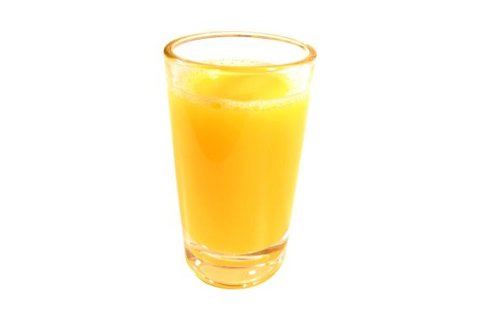
Juices such as grapefruit, orange, and apple are widely regarded as healthy. Packed with vitamins and commonly included in balanced diets, they are often consumed without a second thought. However, new research suggests these popular beverages may pose unexpected risks, particularly for people taking medication for high blood pressure.
Experts, in a major systematic review published in Complementary Therapies in Medicine, warned that fruit juices, not just grapefruit, can quietly interfere with antihypertensive drugs. In some cases, they may reduce the effectiveness of these medications; in others, they may increase the risk of side effects.
The study highlights a largely overlooked issue in everyday health habits and cautioned against consuming fruit juices at the same time as medication.
Researchers analysed data from 51 clinical studies involving human participants, making it one of the most comprehensive reviews to date on how fruit juices affect the way blood pressure drugs are absorbed, distributed, metabolised, and eliminated in the body.
Hypertension remains one of the leading causes of heart disease and stroke worldwide, making effective treatment essential. Even small, repeated disruptions in how medications work could have serious long-term consequences.
Interestingly, fruit juices themselves have been linked to some health benefits. For instance, consuming about 500 mL of commercial orange juice daily has been associated with modest reductions in blood pressure.
Similarly, pomegranate juice has shown significant reductions in both systolic and diastolic blood pressure in previous studies, while cranberry juice has demonstrated modest improvements in diastolic blood pressure and lipid profiles.
Despite these benefits, the new study raises a critical concern: fruit juices can interact with antihypertensive drugs in ways that may prevent patients from achieving optimal treatment outcomes.
The findings explained that some fruit juices can sharply reduce the amount of medication that reaches the bloodstream.
Grapefruit juice, for example, reduced exposure to certain drugs by as much as 80 to 90 per cent. Orange and apple juices showed similar effects on other medications, implying that patients may take their drugs as prescribed but still receive far less than intended.
Conversely, some juices, particularly grapefruit, can increase drug levels in the body. In certain cases, levels of calcium channel blockers rose by more than 200 per cent, raising concerns about side effects such as dizziness, low blood pressure, and heart rhythm disturbances.
“These interactions are not always visible, but their effects on drug levels can be significant,” the researchers said.
They explained that the interactions occur because compounds in fruit juices affect how drugs are transported and broken down in the body.
“A small change in routine could make a meaningful difference in treatment effectiveness,” they added.
According to the study, apple and orange juices can block proteins that help move drugs from the gut into the bloodstream, reducing absorption. Grapefruit juice, on the other hand, inhibits enzymes responsible for breaking down many medications, allowing drugs to accumulate in the body.
Grapefruit juice is particularly known for its strong and sometimes unpredictable effects, making it one of the most common causes of food-drug interactions.
The study also found that not all blood pressure medications are affected equally. Beta-blockers, for instance, generally showed reduced absorption when taken with fruit juice, while ACE inhibitors appeared to have minimal interaction.
However, the researchers cautioned that the clinical implications are not yet fully understood because most of the studies reviewed were conducted in healthy volunteers rather than patients with hypertension. In addition, few studies measured actual blood pressure outcomes, and many had small sample sizes and moderate quality.
In light of these findings, the researchers advised that individuals take medications with water rather than fruit juice. They also recommend avoiding juice at the same time as medication and consulting healthcare professionals about possible interactions.
The researchers, however, called for further studies involving people with hypertension to better understand how these interactions affect real-world outcomes such as blood pressure control and cardiovascular risk.
@ Nigerian Tribune