CARDIOVASCULAR DISEASES ON THE INCREASE IN NIGERIA BUT PEOPLE DON’T COME TO HOSPITAL BECAUSE OF MONEY — Experts

Contents
Hundreds of residents, including children, young adults and the elderly, trooped out in an Ibadan community on Tuesday, September 29, for free cardiovascular and other health screenings as the Stroke Free Society International, in collaboration with the University College Hospital (UCH), Ibadan, and the World Heart Federation marked the 2026 World Heart Day.
The programme brought cardiovascular health professionals into the community with a simple but important message: knowing your health status early can make the difference between preventing a life-threatening condition and living with its consequences.
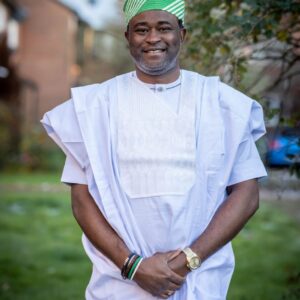
Leading the medical team was Professor Moshood Adeoye, a cardiologist, who said the outreach had a personal significance for him because the community was where he was born more than six decades ago.
For him, returning to the community to provide medical services was a way of giving back.
He explained that cardiovascular diseases, including hypertension, heart attacks and stroke, were increasingly affecting people in society, while many residents remained unaware of their risk factors.
“Cardiovascular diseases are on the increase. We have people developing stroke, having heart attacks and other cardiovascular problems. Some of the risk factors are more common in the community, but people may not come to the hospital because of financial reasons or ignorance.
“That is why we are here in the community to educate them about the symptoms and risk factors,” Adeoye said.
The medical team also visited a primary school as part of efforts to identify cardiovascular risks among children, with screenings extended to include congenital and rheumatic heart diseases, hypertension and other conditions.
Adeoye said the decision to include children was informed by the increasing recognition of cardiovascular risk among younger people.
According to him, some children already show signs of conditions that could predispose them to cardiovascular diseases later in life, while some may already have hypertension or diabetes without knowing it.
“We have started seeing stroke in young people. So, the earlier we identify these problems, the better,” he said.
This year’s programme also introduced another important component—vision screening for children.
Adeoye explained that some pupils who appeared inattentive or struggled academically might not necessarily have learning difficulties, but could be experiencing visual impairment.
The organisers therefore included eye examinations to ensure that such problems could also be detected and addressed.
Beyond screening, the organisers said the initiative was designed to provide follow-up support for residents found to be at risk.
Adeoye said an arrangement had been made to monitor people diagnosed with hypertension or other cardiovascular risks, including checking their blood pressure and supporting them with medication and appropriate medical advice.
He stressed that the programme was not intended to establish another hospital clinic but to provide an early point of care where residents could receive guidance before their conditions became complicated.
Prevention before complications
For Dr Olanike Orimolade, Consultant Cardiologist at UCH and the University of Ibadan College of Medicine, the message of World Heart Day is fundamentally about prevention.
She said cardiovascular health is closely linked to conditions such as hypertension, diabetes and high cholesterol, adding that many of these conditions could remain silent for years.
“The world is moving towards prevention rather than cure of cardiovascular disease,” Orimolade said.
She explained that hypertension, often described as a silent killer, may not produce obvious symptoms until significant damage has occurred.
According to her, screening provides an opportunity to identify such conditions early and prevent damage to vital organs.
“When you screen for cardiovascular disease and pick them early, there is a good opportunity to prevent organ damage. But when they begin to have symptoms, it may mean that the disease has progressed,” she said.
She advised adults to seek medical attention when they experience persistent headaches, unusual tiredness, palpitations, excessive fatigue while walking or climbing stairs, leg swelling or other unusual symptoms.
For children and teenagers, she urged parents and teachers to pay attention when children become excessively tired or breathless during physical activity, experience chest pain while exercising, faint during sports or show other unusual symptoms.
Such signs, she said, could warrant cardiovascular screening.
For the President of Stroke Free Society International, Ogunleye Adelere, the World Heart Day outreach represented another milestone in the organisation’s seven-year journey of taking stroke and cardiovascular disease prevention to communities.
Adelere said the organisation had been operating since around 2018/2019, although its formal inauguration took place about three years ago in collaboration with the World Health Organisation as part of activities around World Heart Day.
He said the society was established with a central objective of preventing stroke and other heart-related conditions through regular screening, health education and early intervention.
“Our aim is to make sure that our people do not have stroke or heart problems,” Adelere said.
According to him, the society has taken its activities to several communities, where members and medical personnel screen residents for blood pressure, blood sugar and other health indicators to identify possible health risks early.
The hidden burden in the community
The significance of the outreach became clearer as the screening progressed.
Dr John Oladapo, Senior Registrar, Cardiology Unit, UCH, said the turnout was encouraging, particularly because many of those who came for screening were within the economically productive age group.
“We are happy that the turnout has been quite impressive. The burden of cardiovascular diseases, especially diseases affecting the heart, is quite high among people in their 30s, 40s and 50s, when they are most productive and contributing to the economy,” he said.
But beneath the encouraging turnout was a concern.
Oladapo said the medical team had identified people with elevated blood pressure during the exercise.
“We have observed that significantly, we have some people with elevated blood pressure. Some of the blood pressure readings are quite high, and that is a source of concern,” he said.
He noted that beyond providing screening, there was a need to ensure that people who were diagnosed with health conditions could actually afford and access treatment.
This, he said, required stronger support for primary healthcare and more healthcare workers across the different levels of the health system.
“We need more healthcare workers across the strata, from primary healthcare workers and community health extension workers to nurses and doctors.
“We are calling on all levels of government to pay specific attention to healthcare because a healthy nation is a wealthy nation,” Oladapo said.
Government cannot do it alone
The organisers also emphasised the importance of collaboration between government, medical professionals, civil society organisations and private-sector partners.
Adeoye said healthcare delivery was too broad for government alone to handle, stressing that individuals and organisations with the capacity to help should complement government efforts.
“It is not that government is failing in its duties. I can assure you that they are making efforts at the primary, secondary and tertiary levels of healthcare.
“But we have to support them in whatever little way we can. It is a collaborative effort,” he said.
The outreach attracted members of the UCH cardiology team, Stroke Free Society International, health educators, nurses and pharmaceutical companies that provided different forms of support.
Making stroke prevention a lifestyle
For the Stroke Free Society International, the objective goes beyond marking World Heart Day.
Adeoye explained that the society’s philosophy is built around preventing stroke before it happens.
“Even if you have hypertension, you should not develop stroke,” he said, stressing the need for regular monitoring and adherence to treatment.
He warned that stroke could have devastating consequences not only for individuals and their families but also for the economy.
“When a young person develops stroke, the economic impact on the community is there because people who need to be active and contribute to the economy will be out.
“There is also morbidity—the inability to move as you used to—and the psychological trauma. It is better to arrest it and prevent it rather than allow it to occur,” he said.
‘Ignorance is not an excuse’
For Adeoye, one of the biggest weapons against cardiovascular diseases is information.
“Prevention is far, far better than cure. Ignorance is not an excuse. The more you know, the better,” he said.
He noted that some people discontinue their hypertension medication because they mistakenly believe that being diagnosed with hypertension and placed on medication means they will take the drugs for life.
He explained that the fear of lifelong medication could eventually lead some patients to abandon treatment, only for them to return to the hospital after developing stroke or heart failure.
“The benefit is to know your condition on time and start the lifestyle changes and medication that are expected,” he said.
Dr Oladimeji Adebayo, Honorary Consultant Cardiologist/Physician at UCH and Senior Research Fellow/Senior Lecturer at the Institute of Cardiovascular Disease, University of Ibadan, also urged Nigerians to take cardiovascular health seriously.
He said World Heart Day provides an opportunity to raise awareness about cardiovascular diseases and their risk factors while encouraging people to take action.
Adebayo expressed satisfaction with the turnout, estimating that between 400 and 500 people participated in the screening exercise.
He said the participants included elderly people as well as younger residents, describing their willingness to know their health status as a positive development.
His advice was straightforward: people should regularly check their blood pressure, monitor blood sugar and cholesterol levels, avoid smoking, moderate alcohol consumption and exercise regularly.
Keeping the heart beating
Deputy Director of Nursing at UCH, Mrs Racheal Adeoti, described the heart as one of the body’s most important organs because it pumps blood and oxygen to vital organs.
She said the World Heart Day campaign was designed to remind people that conditions such as hypertension can be managed when detected early.
She encouraged residents to check their blood pressure regularly and, for those already diagnosed with hypertension or other conditions, to take their medication as prescribed and continue visiting healthcare facilities.
A community grateful for the intervention
At the I.M.G. School 2, the headmistress, Mrs Adenike Oyedeji, described the programme as a welcome development that benefited both pupils and staff.
She expressed appreciation to the organisers for bringing medical services closer to the school and community.
For some beneficiaries, the intervention also offered relief from the financial burden associated with healthcare.
Mr Busari Alabi said the organisers had come to complement government efforts and provide assistance to people who might otherwise struggle to access medical services.
For Alhaja Ramota Ogunsiju, the outreach was particularly meaningful.
She disclosed that she had been experiencing knee and back problems and hoped the intervention would provide some relief.
“I have knee and back problems, and with what they are doing here today, I know I will be a bit relieved,” she said.
Ogunsiju, however, called for more healthcare services within communities, saying financial constraints remained a major barrier for many residents.
“We need more healthcare services around our community,” she said.
– Olawale Olaniyan
@ Nigerian Tribune