Okra is the most popular and economically important edible plant (vegetable) that can be used in soups, salads, and stews. Beyond its culinary use, okra has long been utilised in traditional medicine for its anti-hyperglycaemic, antioxidant, and anti-inflammatory properties.
The global increase in type 2 diabetes mellitus (T2D), together with interest in herbal therapies, has stimulated clinical and mechanistic research on okra as a functional food for blood sugar control.
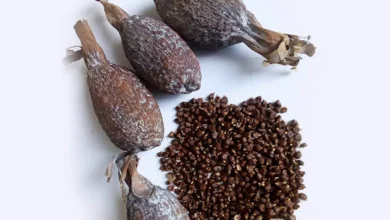
Outside of scientific research, many people with diabetes have reported decreasing blood sugar levels after soaking cut-up okra pieces in water overnight for the gel-like substance in it to be released into the water and then drinking the juice in the morning, while in Turkey, roasted okra seeds have been used as a traditional diabetes medicine for generations.
Now, conflicting results have been reported regarding the effects of okra on diabetes biomarkers in patients with type 2 diabetes. These inconsistencies stem from factors such as dosage, intervention duration, and study design.
To address these discrepancies, researchers undertook a systematic review and meta-analysis of randomized controlled trials (RCTs) conducted to evaluate the effects of okra supplementation on diabetes and obesity markers in patients with type 2 diabetes.
Relevant studies published up to July 15, 2024, were independently identified. Six suitable RCTs were included in the final quantitative analysis. The duration of okra supplementation in these studies ranged from 2 weeks to 3 months, with daily doses varying from 3 to 20 g.
The study populations consisted of individuals diagnosed with type 2 diabetes, and the mean baseline BMI of participants ranged from 24.9 to 30.35 kg/m². The ages of participants in the selected studies ranged from 40.8 to 62 years, and both genders were included.
Confounding factors such as diet, exercise, and social habits were not accounted for, which may have influenced the observed relationships between okra supplementation and the outcomes.
Published in Phytotherapy Research, researchers first confirmed the positive effects of okra supplementation on blood sugar control in patients with type 2 diabetes, specifically by reducing fasting blood glucose (FBG) and glycated haemoglobin (HbA1c) levels, without causing adverse effects.
FBG and HbA1c levels decreased more noticeably in RCTs with daily okra doses more than 4 g and in studies lasting longer than two months.
They suggested that “the okra’s ability to lower FBG and HbA1c is its content of both insoluble and soluble fibres.”
Soluble fibre helps regulate blood glucose by slowing the movement of food through the digestive system, resulting in slower and more gradual sugar absorption. Additionally, dietary fibres stimulate gastrointestinal motility and the release of the hormone responsible for various blood sugar regulatory effects.
Okra also contains antioxidants such as vitamins A and C, flavonoids, polyphenols, and quercetin, all of which have been studied for their beneficial effects in type 2 diabetes patients.
However, no significant effects were observed on insulin levels, insulin resistance, body mass index (BMI), or body weight.
Insulin is the hormone responsible for regulating blood sugar levels, and enhanced sensitivity means the body can utilize insulin more effectively.
These results are consistent with other studies showing that 10 g of okra powder did not significantly affect BMI or body weight in type 2 diabetes patients. Another RCT also demonstrated no effect of okra on body weight in overweight individuals with impaired glucose tolerance.
They added, “Okra may serve as an adjunct therapy for controlling blood glucose levels in patients with type 2 diabetes, as it has been shown to reduce FBG and HbA1c. However, it should not be used as a weight loss therapy in these patients.”
Notably, a publication in Frontiers in Pharmacology also suggested that okra may be used as a supplemental dietary nutrient, especially in pre-diabetic and T2D patients, due to its potential to regulate blood sugar level.
Usually, pre-diabetic patients present with high glucose levels above normal ranges; however, they are not high enough to be classified as T2D.
But they are generally at high risk of developing T2D, especially if they are not treated; therefore, they need regular blood glucose monitoring to ensure their blood glucose is fully controlled.
A total of 18 studies were retrieved for eligibility; 11 were preclinical studies using an animal model of T2D, one used a different intervention, one was not on pre-diabetes or T2D, and another had no control group.
The participants were aged between 35 and 60. Most of the okra was administered in the form of powder or as an immersion.
Pre-diabetes and T2D patients receiving okra treatment had decreased FBG levels compared to the group on the placebo.
According to them, future research should focus on investigating the adverse effects of okra, its interactions with other foods and medications, and additional factors such as diet, social habits, and exercise.
While okra can improve blood glucose control, it may interfere with commonly prescribed anti-diabetic medications, such as metformin, potentially reducing its blood sugar-lowering effects.
– Nigerian Tribune