Finding more hair than usual on your pillow, comb or bathroom floor can be worrying. While some daily hair shedding is normal, noticeable thinning or bald patches may point to an underlying problem.
Contents
Hereditary hair loss
Stress, illness or major physical changes
Nutritional deficiencies
Hormonal changes
Thyroid disorders
Alopecia areata
Tight hairstyles and repeated pulling
Poor diet and rapid weight loss
Hair loss can affect both men and women and may happen gradually or suddenly. In some people, it runs in the family. In others, it may be linked to illness, stress, poor nutrition, hormonal changes or problems affecting the scalp. The pattern of the hair loss can also provide useful clues. For example, a receding hairline may suggest hereditary hair loss, while smooth round patches may point to alopecia areata.
In this article, Tribune Online highlights 8 common causes of hair loss.
Hereditary hair loss
Genetic hair loss is one of the most common reasons people lose hair. It is known medically as androgenetic alopecia, or male- and female-pattern hair loss. In men, it often begins with a receding hairline or thinning around the crown. Women may instead notice that the parting becomes wider or that the hair gradually becomes thinner across the scalp.The condition usually develops slowly and can become more noticeable with age.
Some treatments can slow the progression or improve hair growth in suitable people. Topical minoxidil is one option commonly used for certain types of patterned hair loss, although it is best to discuss treatment with a healthcare professional.
Stress, illness or major physical changes
Hair does not always begin falling out immediately after a stressful event or illness.
Significant physical or emotional stress can push more hair follicles into a resting phase, leading to a type of shedding known as telogen effluvium. The shedding may become noticeable several weeks or months after the trigger.
Possible triggers include a serious illness, high fever, surgery, major emotional stress, rapid weight loss or other significant changes affecting the body. In many cases, the hair gradually grows back after the underlying problem has been addressed. However, persistent shedding should be assessed rather than automatically blamed on stress.
Nutritional deficiencies
Hair growth depends on adequate nutrition . A diet that does not provide enough protein or certain essential nutrients can contribute to excessive shedding. Iron deficiency is particularly important because low iron stores may be associated with diffuse hair loss. A person with iron deficiency may also experience tiredness, dizziness, pale skin or shortness of breath.
Other nutritional deficiencies, including inadequate zinc and some vitamins, may also affect hair growth. However, taking large amounts of supplements is not necessarily the answer. Too much of some nutrients can also cause health problems. Where deficiency is suspected, a healthcare professional may recommend blood tests and appropriate treatment.
Hormonal changes
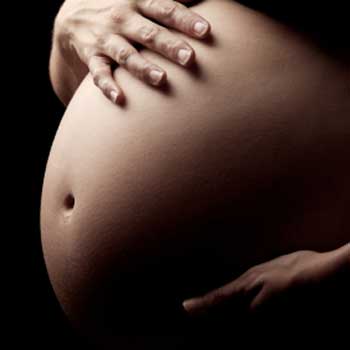
Changes in hormone levels can affect the normal hair-growth cycle. Pregnancy, the period after childbirth and menopause can all be associated with changes in hair growth. Many women experience increased shedding after giving birth. This is often temporary as the hair cycle gradually returns to normal.
Polycystic ovary syndrome (PCOS) can also affect hair growth. Some women with PCOS may develop thinning on the scalp while experiencing increased hair growth on the face or body, as well as acne or irregular periods.
Treatment depends on the hormonal problem responsible for the hair changes.
Thyroid disorders
Both an underactive thyroid and an overactive thyroid can affect the hair. People with thyroid problems may notice that their hair becomes thinner, dry or brittle, or that they are shedding more than usual.
Hair changes may occur alongside other symptoms, such as unexplained weight gain or weight loss, tiredness, sensitivity to cold or heat, or a fast heartbeat. Treating the thyroid condition can help the hair recover, although improvement may take time because hair grows slowly.
Alopecia areata
Not all hair loss is caused by poor diet or stress. Alopecia areata is an autoimmune condition in which the body’s immune system mistakenly attacks hair follicles. It commonly causes clearly defined, smooth, round or oval bald patches on the scalp. Some people may also lose hair from the eyebrows, eyelashes, beard or other parts of the body.
The condition can affect people of different ages. In some cases, the hair grows back without treatment, while others may require treatment from a dermatologist. Because different conditions can cause patchy hair loss, new bald patches should be medically assessed.
Tight hairstyles and repeated pulling
The way hair is styled can also contribute to hair loss. Braids, extensions, ponytails, cornrows and other styles that place repeated tension on the hair can cause traction alopecia. The hairline is often one of the first areas affected, particularly where the hair is pulled tightly.
Early traction-related hair loss may improve when the tension is stopped. However, continued pulling over a long period can damage the hair follicles permanently and lead to scarring. People who regularly wear protective or tightly styled hairstyles should therefore avoid excessive tension and give the scalp and hair time to recover between styles.
Poor diet and rapid weight loss
Severe dieting and rapid weight loss can put the body under stress and affect the normal hair-growth cycle. People who severely restrict their food intake may not get enough protein, iron, zinc and other nutrients needed to support healthy hair. This can be especially relevant when someone loses a significant amount of weight within a short period.
Rather than relying on hair supplements, people should aim for a balanced diet containing adequate protein, fruits, vegetables, whole grains and other nutrient-rich foods.
If hair loss begins after major dietary changes or weight loss, a healthcare professional can help determine whether a nutritional problem is involved.
@ Nigerian Tribune