ONION, WITH CLOVE MIXTURE, HELPS PROTECT AGAINST OSTEOARTHRITIS

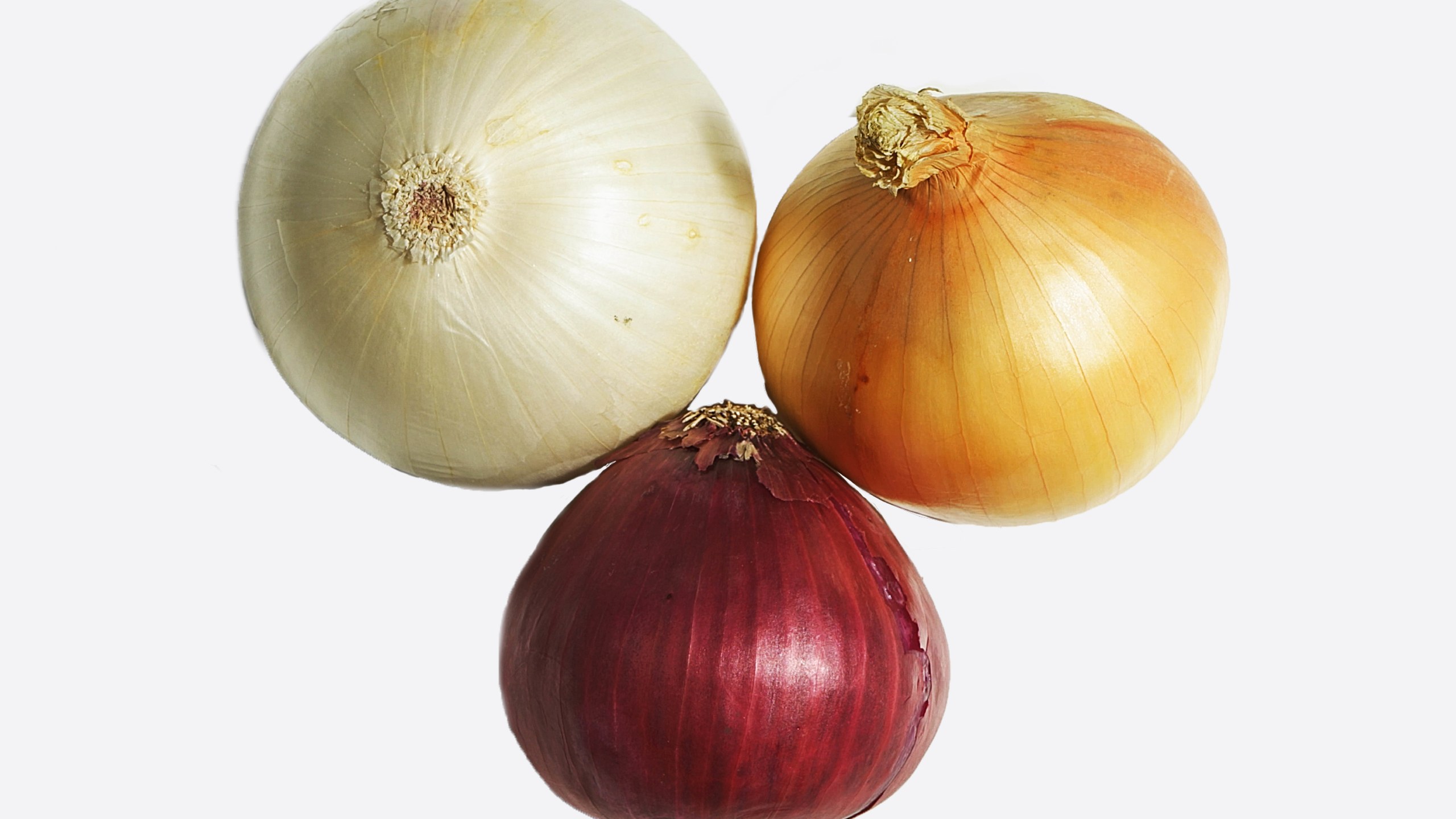
Researchers in Cameroon have found that a natural mixture made from onion and clove may help protect joints from the painful effects of osteoarthritis.
The study, published in the journal Investigational Medicinal Chemistry & Pharmacology, showed that the mixture reduced pain, swelling, inflammation, and joint damage in laboratory rats. It also helped the animals move more easily after developing symptoms similar to osteoarthritis.
Osteoarthritis is one of the most common joint diseases in the world. It mainly affects the knees, hips, and other joints. The disease happens when the cartilage that protects the joints slowly breaks down over time. This can lead to pain, swelling, stiffness, and difficulty moving. Many people with osteoarthritis also struggle with anxiety, stress, and reduced quality of life because of constant pain.
Doctors currently use medicines such as painkillers and anti-inflammatory drugs to help manage osteoarthritis. However, these treatments often only reduce symptoms for a short time and may cause side effects when used for a long period. Because of this, scientists are searching for safer and more effective alternatives, especially natural treatments.
The study had focused on onion and clove. Onion is widely used in cooking around the world. It is also known in traditional medicine for helping with infections, inflammation, and other health problems.
Clove, scientifically called Syzygium aromaticum, is commonly used as a spice and has long been used to relieve pain, especially tooth pain. Clove is also known for its antioxidant and anti-inflammatory effects.
Researchers from several universities in Cameroon, including the University of Douala, University of Yaoundé I, University of Buea, and University of Dschang wanted to see whether combining onion and clove could help prevent or reduce osteoarthritis.
To prepare the treatment, the researchers bought onion bulbs and clove spices. They were washed, dried, crushed into powder, and mixed with water to make natural extracts. Equal amounts of onion and clove extracts were then combined into one mixture.
The researchers used 30 Wistar rats for the experiment. The rats were divided into five groups. One group stayed healthy and did not develop osteoarthritis. Another group developed osteoarthritis but received no treatment.
A third group received diclofenac, a common anti-inflammatory medicine used to treat pain and swelling. The remaining two groups received the onion and clove mixture at different doses.
After two weeks of treatment, researchers injected a chemical called mono-iodoacetate into the knee joints of most of the rats. This chemical is often used in scientific studies because it creates joint damage and pain similar to human osteoarthritis.
Over the next several weeks, the researchers carefully studied the rats. They measured pain levels, swelling, movement, blood health, inflammation, and damage to the joints.
The rats that did not receive treatment showed severe symptoms of osteoarthritis. They became more sensitive to pain, their knees and paws became swollen, and they moved less. They also lost body weight and showed signs of stress and discomfort.
However, rats treated with the onion and clove mixture showed major improvements. The higher dose of the mixture reduced pain sensitivity by more than 80 percent and reduced swelling by more than 85 percent.
The treated rats were also able to move more normally. They walked farther, moved faster, and spent less time staying still. Their movement patterns were much closer to those of healthy rats.
Researchers said the natural treatment worked even better than diclofenac in some tests.
The study also showed that the mixture helped reduce anxiety-like behaviors caused by pain. Untreated rats showed unusual behaviors such as excessive licking and changes in stool patterns, which are often linked to stress and discomfort in animals. These behaviors improved in the treated rats.
Researchers believe the mixture worked because of its powerful anti-inflammatory and antioxidant effects.
Inflammation plays a major role in osteoarthritis. When joints become inflamed, the body releases harmful substances that damage cartilage and increase pain.
In this study, untreated rats had high levels of inflammatory markers such as TNF-α, IL-1β, MMP-9, and MPO. These substances are commonly linked to joint damage in people with arthritis.
The onion and clove mixture significantly lowered these inflammatory markers, indicating that the treatment may help slow down the process that destroys joint tissue.
The researchers also studied oxidative stress, another major factor in osteoarthritis. Oxidative stress happens when harmful molecules called free radicals damage cells and tissues in the body. High oxidative stress can worsen inflammation and cartilage damage.
Untreated rats showed high levels of oxidative damage in the liver, kidneys, brain, and joints. But rats treated with the onion and clove mixture had much healthier antioxidant levels.
The treatment increased important protective substances in the body, including Superoxide dismutase (SOD), catalase (CAT) and Glutathione (GSH). At the same time, it reduced harmful substances like MDA and nitric oxide, which are linked to tissue damage.
The study also included microscopic examination of the rats’ knee joints. The untreated rats showed severe joint damage, including inflammation, thickening of joint tissue, and destruction of normal joint structure.
In contrast, rats treated with the onion and clove mixture had healthier-looking knee joints with fewer signs of damage. Their cartilage and joint tissues appeared much closer to normal.
The scientists explained that both onion and clove contain natural compounds that may explain these protective effects. Onion contains substances such as quercetin and kaempferol, while clove contains eugenol and other plant chemicals known for fighting inflammation and oxidative stress.
Although the results are encouraging, researchers warned that more research is needed to understand exactly how the mixture works and whether it is safe and effective for long-term use before the treatment can be recommended for use in humans to protect against osteoarthritis, including pain, inflammation, oxidative stress, and joint damage.
@ Nigerian Tribune