Researchers say a plant long used in traditional medicine across Africa and other parts of the world may offer new hope for people living with epilepsy.
In a new study published in Frontiers in Pharmacology, scientists found that extracts from the plant reduced seizures, protected brain cells, and improved brain chemistry in laboratory animals.
Epilepsy is a chronic brain disorder that causes repeated seizures. It affects about 70 million people worldwide, making it one of the most common neurological conditions. The burden is especially high in sub-Saharan Africa, where access to healthcare is often limited.
As a result, many people living with epilepsy do not receive regular treatment, while stigma surrounding the condition often discourages sufferers from seeking medical help.
Although several medicines are available to control seizures, epilepsy remains difficult to treat. One of the most common and severe forms, temporal lobe epilepsy, often does not respond well to existing drugs.
Current anti-epileptic medicines can help reduce seizures, but they do not cure the disease. Many patients continue to experience seizures even while on medication, and long-term use of these drugs can cause side effects such as tiredness, memory problems, and liver damage.
Because of these challenges, scientists are increasingly turning to medicinal plants as possible sources of new treatments that may be safer, cheaper, and more accessible.
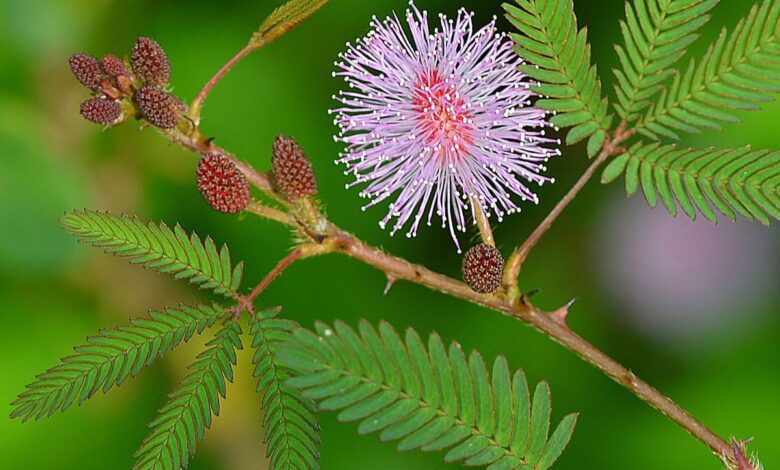
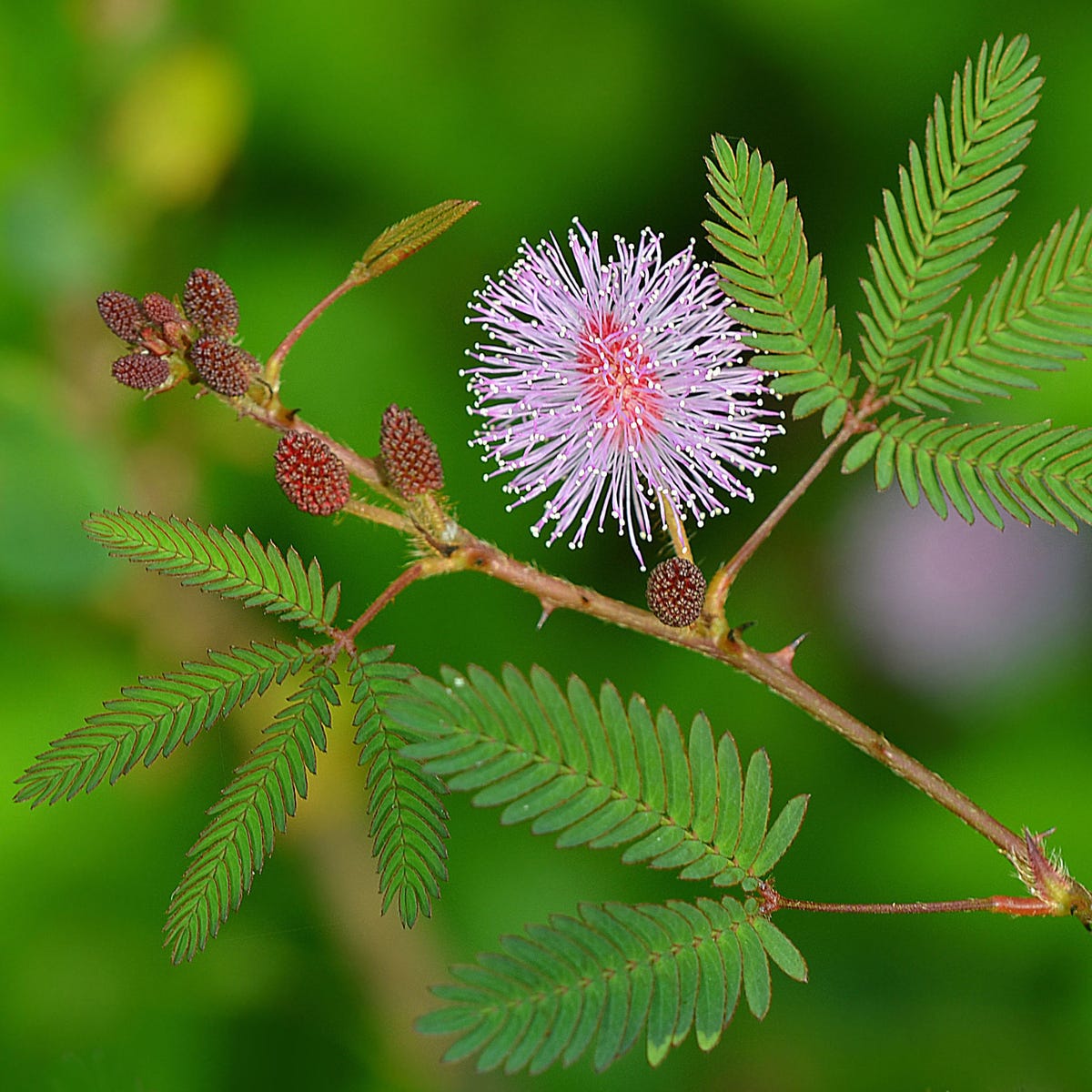
Mimosa pudica is best known for how its leaves fold inward when touched. Beyond this unusual behaviour, the plant has been widely used in traditional medicine to treat conditions such as epilepsy, anxiety, insomnia, and childhood convulsions, as well as for wound healing and relief from pain and swelling, including joint pain, muscle aches, and headaches.
In Nigeria, many communities name the plant based on its behaviour—closing its leaves when touched—rather than a fixed botanical identity. It is commonly called Ewe arunpale or Patiku among the Yoruba, Agbogho mechiri anya among the Igbo, and Kama-kama in Hausa-speaking areas.
Despite its long history of use, there has been little scientific research to confirm the plant’s effectiveness against epilepsy or explain how it works in the brain.
To investigate its potential, the researchers collected Mimosa pudica leaves and stems from southwest Cameroon and prepared an extract in a way similar to traditional herbal remedies.
The extract was tested on mice with epilepsy caused by two chemicals, pilocarpine and picrotoxin. Together, these chemicals trigger seizures and brain changes that closely resemble temporal lobe epilepsy in humans.
The mice were divided into groups. Some were given only water; others received a standard epilepsy medication (sodium valproate), while the remaining groups were treated with different doses of the plant extract for seven days.
The researchers found that mice treated with Mimosa pudica extract had fewer seizures, and when seizures occurred, they were less severe and shorter in duration.
At higher doses, the extract delayed the onset of severe seizures by more than 70 per cent compared to untreated animals.
“The extract significantly delayed seizure onset and reduced seizure intensity,” the researchers reported.
In several tests, the plant extract performed almost as well as the standard epilepsy drug used for comparison.
Mice treated with the extract also showed noticeable improvements in movement and behaviour. They moved more freely, explored their surroundings with more confidence, and performed better in balance and coordination tests. This suggests that the plant extract helped protect brain function beyond simply reducing seizures.
Epilepsy often affects movement, balance, and behaviour. In the study, untreated mice showed poor coordination, anxiety-like behaviour, and difficulty moving normally.
The researchers also found that Mimosa pudica extract reduced oxidative stress, a process in which harmful molecules build up in the brain and damage brain cells. At the same time, the extract increased levels of natural antioxidants, which help protect brain cells from damage.
Repeated seizures are known to cause brain injury through oxidative stress, making this protective effect particularly important.
The study also examined key brain chemicals involved in epilepsy. One of the most important is GABA, a chemical that calms brain activity and helps prevent seizures.
The researchers found that the plant extract increased GABA levels and reduced the activity of enzymes that break it down. This allowed GABA to remain active in the brain for a longer time.
In addition, the treatment reduced high levels of brain-derived neurotrophic factor (BDNF), a protein linked to abnormal brain changes in epilepsy. This suggests the extract may help prevent harmful brain changes associated with the condition.
Safety tests showed that the plant extract caused no deaths or serious side effects, even at very high doses, supporting its long history of traditional use.
The researchers noted that while Mimosa pudica shows strong potential as an anti-epileptic and brain-protective agent, more studies are needed to identify the exact compounds responsible for its effects and to test its safety and effectiveness in humans.
For now, the findings offer fresh hope—especially for communities where access to epilepsy treatment remains limited. For millions of people living with epilepsy in low-resource settings, nature may still hold powerful solutions.
@ Nigerian Tribune