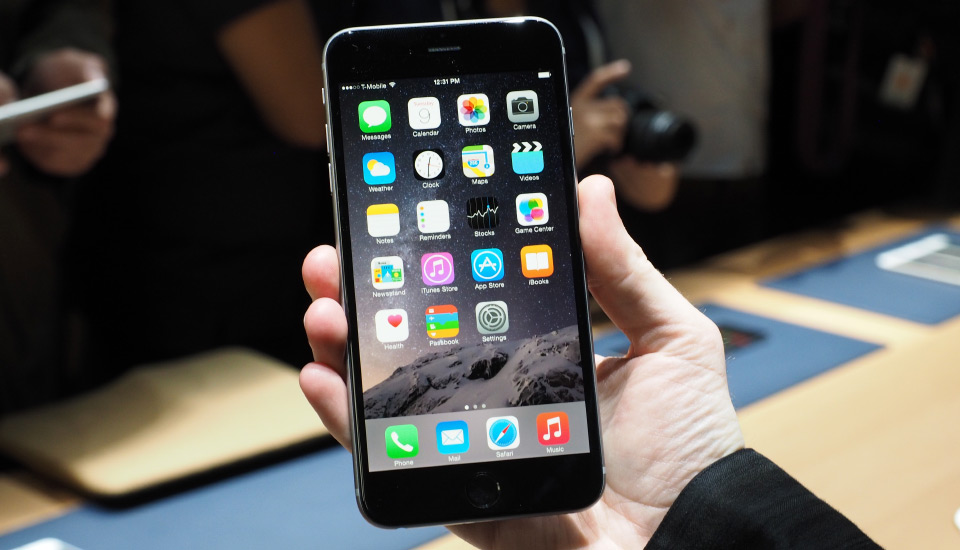
Many people in today’s world are so obsessed with their devices, from computers to mobile phones, laptops, and a host of other modern devices, that they hardly live without them.
Contents
1. Impaired Cognitive & Language Development in Children
2. Mood, Depression, and Cognitive Strain
3. Reduced Physical Activity & Brain-Body Effects
4. Cognitive Declines Linked to Night-Time Screen Use
5. Your Brain’s Outer Layer Is Thinning
Prolonged screen use can subtly alter brain function, mood, and cognition, with long-term effects on our overall well-being.
In this piece, Tribune Online highlights five surprising ways too much exposure to screen time affects our well-being:
1. Impaired Cognitive & Language Development in Children
Children exposed to prolonged screen time in Nigeria are experiencing delays in cognitive stimulation. Many children who merely watch TV or screen media passively are missing out on caregivers, such as talking, questioning, and imaginative play, which are vital for development.
Passive screen experiences, like watching rather than interacting, contribute less to brain growth in language skills, problem-solving, and creative thinking. Over time, this may translate into poorer school performance, lower literacy, and weaker capacity for abstract thinking.
2. Mood, Depression, and Cognitive Strain
High screen use is also tied to mental health issues. Children and adolescents with heavy screen or social media exposure are more likely to feel lonely, anxious, or depressed. Digital comparison, cyberbullying, and feeling disconnected during real-life interactions are common drivers.
3. Reduced Physical Activity & Brain-Body Effects
Screen use often means sitting still. Research shows significant links between high screen time and elevated BMI, poorer muscular strength, increased waist-to-hip ratio, and higher blood pressure.
Low cardio fitness, poor circulation, and metabolic stress may reduce blood flow to brain regions, promoting fatigue, mood instability, and less efficient cognitive processing.
4. Cognitive Declines Linked to Night-Time Screen Use
Using screens late at night can affect how well your brain works.
The bright light from phones and TVs stops your brain from releasing melatonin, the hormone that helps you sleep. Poor sleep prevents your brain from resting and organizing memories, which can lead to weaker focus, slower thinking, and forgetfulness.
5. Your Brain’s Outer Layer Is Thinning
Too much screen time can physically change your brain. Studies show that in adults aged 18–25, long hours on screens are linked to thinning of the cerebral cortex, the outer layer of your brain that handles memory, focus, and problem-solving.
@ Nigerian Tribune