OBESITY RAPIDLY EMERGING AS SILENT THREAT TO PREGNANCY IN NIGERIA — Study

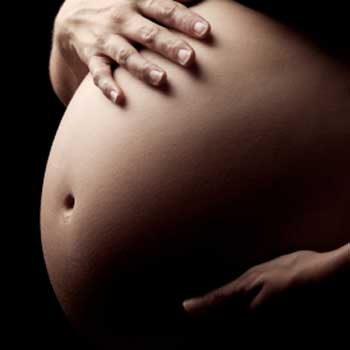
In the study, the researchers warned that obese women were almost twice as likely to experience pregnancy complications, indicating that obesity is a serious risk factor during pregnancy.
The study published in the Scientific Reports involved Dr Ikeola A Adeoye at the College of Medicine of the University of Ibadan in collaboration with Professor Elijah A Bamgboye and Professor Akinyinka Omigbodun.
The researchers stated that obesity during pregnancy is preventable, and addressing it will not only improve pregnancy outcomes but also reduce the future burden of non-communicable diseases among Nigerian women.
The risks of obesity in pregnancy include having very large babies, a higher likelihood of cesarean delivery, an increased risk of diabetes during pregnancy, and babies experiencing breathing problems at birth. Additionally, having very large babies can also lead to long and difficult labour, birth injuries, and the need for emergency surgery.
Using data from the Ibadan Pregnancy Cohort Study, researchers found that nearly one in five pregnant women in the city (19.3%) were obese at the time of their first antenatal clinic visit and warned that the rising obesity rates among pregnant women could undermine national efforts to reduce maternal and child mortality.
According to them, caesarean deliveries and obesity-related complications place additional strain on already overstretched healthcare facilities, especially in low-resource settings.
Maternal obesity was defined in the study as a body mass index (BMI) of 30 kg/m² or greater, measured during early pregnancy.
They stated that sedentary occupations, dependence on cars and labour-saving devices, and increased consumption of processed, energy-dense foods contribute to rising obesity levels among women of reproductive age.
According to them, maternal age, number of previous births (parity), and income are significant predictors of obesity during pregnancy, with women aged 35 years and older being twice as likely to be obese compared to younger women.
In addition, the report indicated that the risk of obesity also increased with the number of previous pregnancies, a pattern the researchers attributed to weight gain during pregnancy and weight retained after delivery.
Additionally, women with higher incomes were more likely to be obese, a trend commonly observed in low- and middle-income countries where increased wealth often results in reduced physical activity and greater access to high-calorie foods.
Regular physical activity is associated with lower odds of maternal obesity, reinforcing global recommendations that pregnant women engage in at least 150 minutes of moderate physical activity per week.
The study, which linked household-related activities to a higher risk of obesity, suggested that this may be due to increased food availability at home and overeating following physical exertion.
According to them, work-related physical activity drastically reduced the likelihood of obesity, possibly due to more structured routines and limited access to food during working hours.
The researchers stated that lifestyle counselling remains limited in many antenatal clinics, despite pregnancy offering a unique window of opportunity for intervention, as women are more engaged with healthcare services and motivated to adopt healthier behaviours for their unborn children.
The study, therefore, called for maternal health services in Nigeria to prioritize obesity prevention by providing routine counseling on healthy diets, physical activity, and weight management during pregnancy.
They stated that public awareness campaigns, community engagement, and policy-driven strategies are also necessary to address the broader environmental and social factors contributing to obesity.
@ Nigerian Tribune