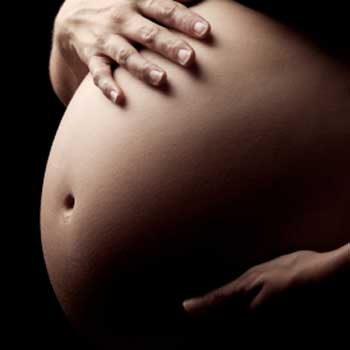
The effect of pregnancy on sleep may be far less than dreamy. As a woman’s belly grows, frequent tossing and turning, coupled with repeated trips to the bathroom, can make a restful night’s sleep feel like a luxury.
But lack of sleep is more than an inconvenience. A new study by researchers at Washington University in St. Louis, published in Sleep, suggests that women who do not get enough sleep during pregnancy face a higher risk of pregnancy complications, including preeclampsia, gestational diabetes, prolonged labour, and caesarean delivery. The study also found that disrupted sleep is associated with increased perinatal anxiety.
The perinatal period, which spans pregnancy through the first year or two after childbirth, is marked by hormonal, physical and emotional changes that often interfere with sleep.
Tracking 230 women from early pregnancy through the postpartum period, the researchers found that about 15 per cent experienced anxiety-related disorders, alongside an increased risk of obsessive-compulsive disorder (OCD) symptoms.
A consultant obstetrician and gynaecologist at University College Hospital, Dr Taiwo Tsele, said quality sleep is essential for protecting mothers’ physical and mental health during pregnancy and after childbirth.
“Whether you are pregnant or not, sleep is very good for the body because it is during sleep that the body recovers. Almost all the body’s systems rest during that period, which is why experts recommend between six and eight hours of sleep daily,” she said.
Tsele explained that pregnancy and the six-week postpartum period, known as the puerperium, are naturally demanding stages as the body adapts to hormonal changes and gradually returns to its pre-pregnancy state.
“Although pregnancy is considered a physiological condition, many women experience considerable stress. Some struggle with persistent vomiting during the first trimester, poor eating habits, disrupted sleep, and the physical demands of carrying a pregnancy. Good sleep helps the body cope better with these changes,” she said.
According to her, sleep deprivation often worsens after childbirth because newborn babies wake repeatedly during the night to breastfeed.
“The reality is that mothers cannot sleep properly because babies wake repeatedly at night to feed. Even when relatives are available to help, only the mother can breastfeed the baby,” she said.
Tsele said the problem is often compounded by cultural expectations that leave new mothers attending to visitors, household chores, and family responsibilities instead of resting.
She advised against the routine use of sleeping medications for nursing mothers, noting that they still have to wake up to care for their babies. Instead, she encouraged mothers to sleep whenever their babies are asleep.
“Daytime sleep is just as beneficial if it helps them recover,” she said.
Tsele warned that prolonged sleep deprivation increases the risk of postpartum blues, depression and, in severe cases, psychosis requiring specialist care.
She urged families to provide practical support by helping with household responsibilities so mothers can rest, adding that the stress of caring for a newborn often extends well beyond the traditional six-week maternity leave.
A consultant psychiatrist at Ladoke Akintola University of Technology, Dr Adeoye Oyewole, said the study’s findings reinforce the strong link between hormonal changes, sleep, and women’s mental health.
“There is a huge connection between women’s mental health and hormones. It is not just pregnancy. From the onset of menstruation, many women experience premenstrual syndrome because hormones influence the brain and emotions,” he said.
He explained that pregnancy-related hormonal changes can trigger anxiety, mood swings, irritability, unusual food cravings, and heightened sensitivity to smells.
Oyewole described disturbed sleep as one of the clearest indicators of psychological distress during pregnancy.
“There is a huge connection between sleep and mental well-being. Sleep is restorative, both psychologically and physically. Once a person’s sleep becomes significantly disturbed, it is often a sign that anxiety or emotional distress has reached a level that could affect psychological health,” he said.
He added that the sudden hormonal changes after childbirth can trigger postpartum psychiatric disorders, particularly where mothers lack emotional and practical support.
“In many African communities, family support traditionally plays an important role after childbirth. However, women living abroad are often left alone with newborns while their spouses return to work. The combination of loneliness, inadequate support, and hormonal changes increases their vulnerability to postpartum mental health problems,” he said.
Oyewole also noted that hormonal changes continue to influence women’s mental health during menopause, when declining oestrogen levels can contribute to emotional instability.
The researchers found that sleep problems became most pronounced during the third trimester of pregnancy and the early postpartum period before gradually stabilising. Women who slept less consistently reported higher levels of perinatal anxiety, particularly those who felt less confident in their ability to cope with stress.
By contrast, anxiety itself did not appear to predict poorer sleep, suggesting that sleep disruption generally precedes anxiety symptoms rather than the other way round.
The findings highlight the importance of making quality sleep a priority during pregnancy and after childbirth, not only for physical recovery but also as a key strategy for safeguarding maternal mental health.
@ Nigerian Tribune