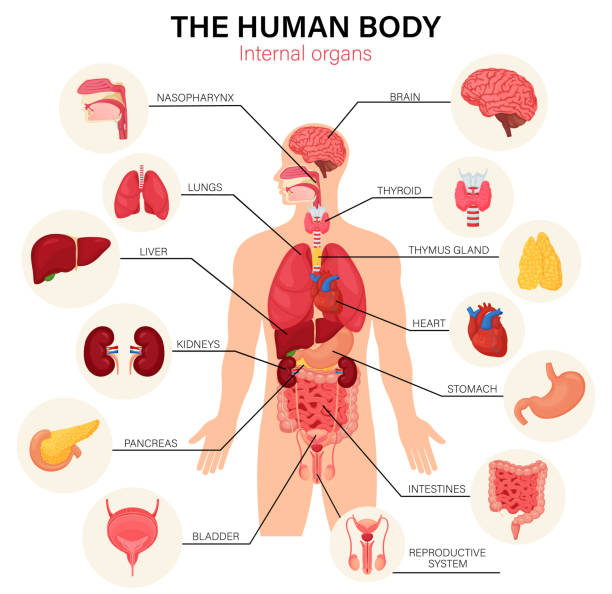
Here are seven common habits that could be silently harming your liver:
1. EXCESSIVE ALCOHOL CONSUMPTION
Even moderate but regular alcohol intake can lead to liver inflammation, fatty liver disease or cirrhosis over time.
“There is no safe level for drinking alcohol,” warns the World Health Organization (WHO). “The risk of damage to your health increases with every drink.” WHO, 2022
Alcohol is processed by the liver, which converts it into a less harmful substance. However, repeated heavy consumption overwhelms the liver, leading to scarring (fibrosis) and eventually liver failure.
2. OVERUSING OVER-THE-COUNTER PAINKILLERS
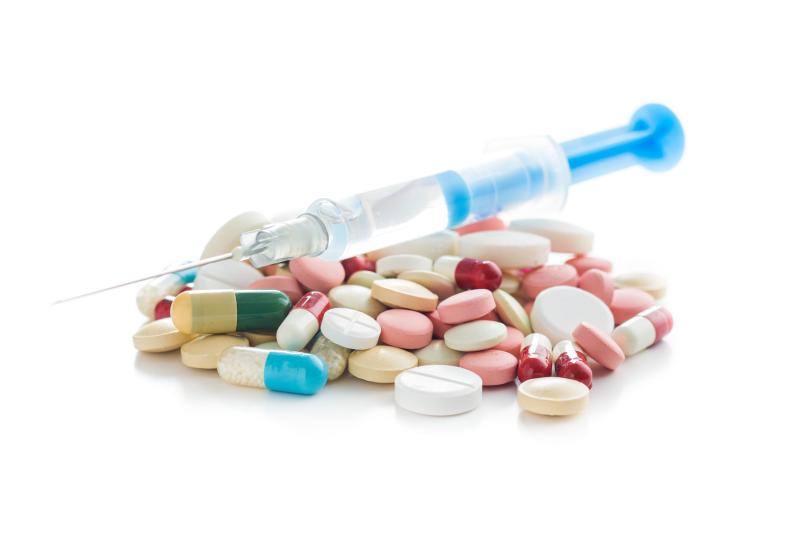
Drugs like acetaminophen (paracetamol) are generally safe in recommended doses, but frequent or excessive use can cause acute liver damage.
This risk increases when these medications are combined with alcohol or taken unknowingly in multiple products (such as cold remedies).
3. CONSUMING TOO MUCH SUGAR AND PROCESSED FOODS
A diet high in refined sugar, saturated fats and processed snacks can contribute to non-alcoholic fatty liver disease (NAFLD), which affects nearly 1 in 4 adults globally, per the World Gastroenterology Organisation.
NAFLD often shows no symptoms but can progress to cirrhosis or liver cancer if left unchecked.
4. LEADING A SEDENTARY LIFESTYLE
Lack of physical activity increases the risk of obesity and insulin resistance, both of which are closely linked to liver disease.
The WHO states that: “At least 60% of the global population does not achieve the recommended amount of physical activity, contributing to the rising burden of non-communicable diseases, including liver disease.”
Regular exercise improves insulin sensitivity and reduces fat buildup in the liver.
5. IGNORING HEPATITIS RISK FACTORS
Hepatitis B and C are viral infections that cause long-term liver inflammation and damage. Risk factors include unprotected sex, sharing needles, or exposure to contaminated blood.
“An estimated 296 million people were living with chronic hepatitis B and 58 million with hepatitis C in 2019,” according to the WHO. “Testing and early treatment can prevent progression to liver cirrhosis and cancer.” WHO, 2023
Simple precautions like vaccination (for hepatitis B), practising safe sex and avoiding unsterile equipment can drastically reduce the risk.
6. TAKING HERBAL SUPPLEMENTS WITHOUT CAUTION
Natural doesn’t always mean safe. Some herbal and dietary supplements have been linked to liver toxicity, especially when taken in high doses or mixed with medications.
Examples include kava, green tea extract, and comfrey—compounds that can cause liver inflammation or failure.
7. CHRONIC SLEEP DEPRIVATION
It may seem unrelated, but consistently poor sleep disrupts the body’s circadian rhythm, which is crucial for liver metabolism and repair processes.
A 2020 study published in the Journal of Hepatology found that: “Sleep disorders are significantly associated with increased risk of NAFLD and liver fibrosis.”
Additionally, the Centers for Disease Control and Prevention (CDC) advises adults to get at least 7 hours of quality sleep per night to maintain metabolic and liver health.
In conclusion, the liver is incredibly adaptive and capable of regenerating, but only to a point. By addressing these everyday habits, you can help ensure your liver functions optimally for years to come.
If you experience symptoms like fatigue, abdominal swelling, jaundice or unexplained weight loss, consult a healthcare provider promptly.
@ Vanguard Newspaper